First Nations People

First Nations Australians have a high rate of kidney disease. Learn how to keep your kidneys stronger for longer

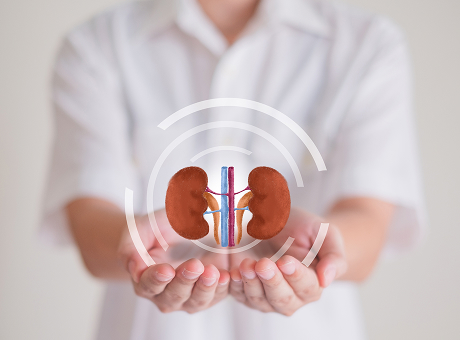
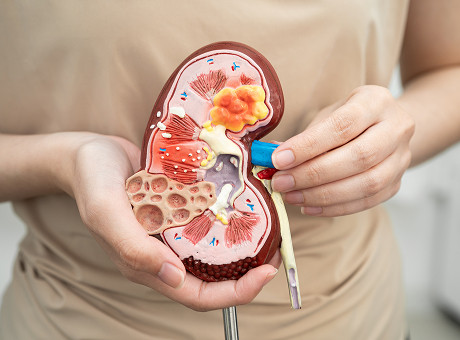
Your kidneys play an important role. They help clean your blood, control your blood pressure, create urine, and manage vitamin D production. Poor kidney function can create waste build-up in the body – which can lead to kidney disease or failure.

Unfortunately, kidney disease is very common in Aboriginal and Torres Strait Islander people. 1 in 5 are likely to develop kidney disease – that’s double the rate of the rest of the Australian population. Sick kidneys often happen together with diabetes and high blood pressure, which is also common in Aboriginal and Torres Strait Islander people. To help, here are some tips on how to keep healthy and reduce the risk of kidney disease. If you already have sick kidneys, you can slow down the disease by taking these steps.
Actions you can take

Smoking or chewing tobacco or using ash is a sure way to increase your risk of kidney disease. If you don’t smoke, don’t start! If you do, ask your health clinic to put you on a quit program to help you stop.

When you are thirsty, drink water. It costs nothing and has no calories, and while it’s fixing your thirst it’s also cleaning your body on the inside.

There are safer and less safe levels of drinking for all Australians. For healthy adults, the Department of Health says:

  • To reduce the risk of harm from alcohol-related disease or injury for healthy men and women, drink no more than 10 standard drinks per week and no more than 4 standard drinks on any one day.
  • The less you choose to drink, the lower your risk of alcohol-related harm. For some people, not drinking at all is the safest option.

Sugary soft drinks and some fruit juices can make you put on weight quickly and are bad for your body, including your kidneys.

Natural foods like fresh fruit and vegetables and bush tucker are the healthiest. You’ll have more energy to enjoy life, and they taste good too.

Choose foods with low levels of sugar, salt and saturated fats. That means avoiding fast foods, take-away and junk food. Home cooking most of the time is best. This helps to keep your weight down, and that means it’s good for your kidneys.

Herbs are much healthier than salt, which is very bad for your blood pressure. High blood pressure can damage your heart and kidneys.

At your health clinic there’s a team of medical experts who are there to help you stay healthy. Ask them how you can keep your kidneys stronger for longer.

You can also reach out to Aboriginal liaison officers, social workers and other community supports to overcome these problems.

Kidney disease resources

What do kidneys do?

Learn what your kidneys do and why they're so important.

What is chronic kidney disease (CKD)?

Learn all about chronic kidney disease

How can I keep my kidneys healthy and strong?

It's never too late to make changes!

Who needs a kidney health check?

Learn if you're at risk of kidney disease.

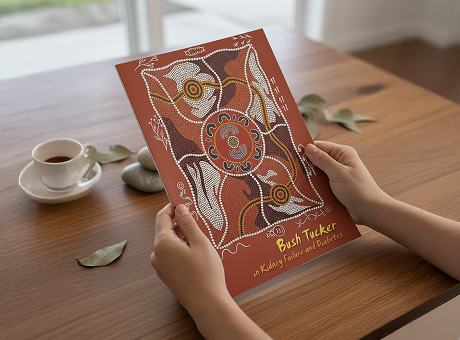
Bush Tucker and Kidney Disease

All about Kidney failure and the need for a ‘Kidney diet’

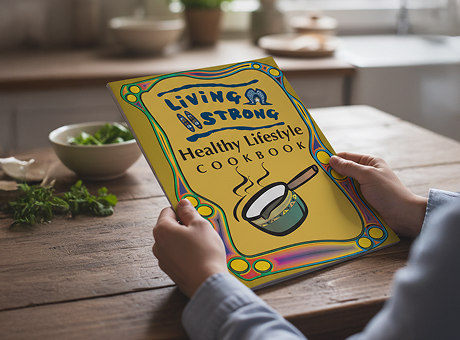
Living Strong Cookbook

A variety of healthy recipe ideas and some traditional cooking

Kidney disease often shows no symptoms

Looking after yourself means keeping your kidneys healthy. A simple way to find out if they are damaged is to do a Kidney Health Check.

cta