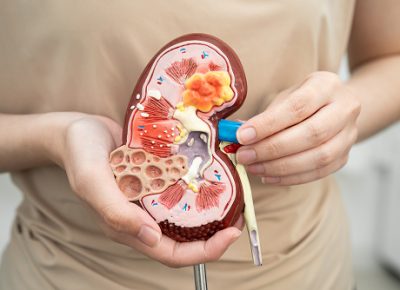
Diabetic kidney disease occurs when high blood sugars from diabetes cause damage to your blood vessels in the kidneys. Over time, this damage leads to a loss of kidney function, making it harder for the kidneys to remove wastes and extra fluid from the body.
What is diabetes?
Diabetes is a condition where your body does not use or make the hormone, insulin, properly. Insulin moves sugar (glucose) from the food that you eat into your cells, where it’s used for energy. With diabetes, blood sugar levels rise because your body is not responding to the insulin. There are three main types of diabetes:
- Type 1 diabetes is where your body does not make any insulin
- Type 2 diabetes is where your body does not make enough insulin or does not use insulin properly
- Gestational diabetes develops during pregnancy and may lead to type 2 diabetes
High blood sugar levels from diabetes damage the blood vessels in the heart, eyes, nerves, and kidneys, putting you at risk for:


What are the risks of getting DKD?
If you currently have diabetes, these factors can increase your risk of developing DKD:
- having diabetes for a long time
- a family history of high blood pressure or heart disease
- age >60 years old (or over 30 years if you are First Nations Australian)
Symptoms of diabetic kidney disease
Like other kidney disease, you may not notice symptoms of DKD until later stages. If you do have symptoms, you may experience:
- tiredness and fatigue
- nausea and vomiting
- muscle cramps or restless legs
- loss of appetite
- trouble sleeping.
The best way to monitor for kidney disease is to have a Kidney Health Check, which consists of a blood test, urine test and blood pressure check. Albuminuria, or protein in the urine, is often an early sign of DKD and can be found through a urine test. If you have diabetes, ask your doctor to order a Kidney Health Check every year – finding DKD early and getting proper treatment can help slow down the disease.
Treating diabetic kidney disease
Controlling other health conditions, like diabetes and high blood pressure, is an essential part of caring for DKD. Taking prescribed medicines and following a healthy lifestyle are the best ways to help slow the progression of DKD.
Medicines
Certain medicines can prevent further damage to your kidneys when you have diabetes. These include:
- ACE inhibitors or angiotensin receptor blockers (ARBs): These blood pressure tablets help reduce the amount of protein in your urine.
- Statins: These cholesterol lowering medicines also protect your heart.
- SGLT2 inhibitors: This type of medicine helps flush extra sugar out through the urine, controlling diabetes while also lowing the pressure in your glomeruli (filtering units of the kidney).
- GLP-1 RA: These injectable medicines were originally approved for diabetes and recently have been shown to prevent kidney failure in chronic kidney disease.
- Non-steroidal MRA: This medication can help with the protein in your urine.
Lifestyle choices
Following a healthy lifestyle not only helps your kidneys, but it also helps your whole body. You can start taking care of your body by:
- drinking water instead of sugar-sweetened drinks
- limiting your salt and sugar
- being active, exercising 30 minutes a day most days of the week
- quitting smoking or vaping; visit quit.org.au for tips