What is kidney disease?

We explain kidney disease from causes to treatments, and we'll take a look at what it means and what you can do next.

2.7 million Australians are living with signs of kidney disease. That’s around 1 in 7 Australians over 18 years old. Whether you’ve just been diagnosed with kidney disease, you’re a family member or friend supporting someone experiencing kidney disease, or you’re simply researching kidney disease risks, we will learn more about kidney disease below.

About kidney disease

Your kidneys are a vital part of your body. The kidney’s main task is to clean your blood and filter waste out through your urine (wee). When your kidneys aren’t working as they should, waste builds up in your body, and this can have a harmful impact on your health. This condition is called kidney disease – the loss of normal kidney function over time. It can also be called kidney failure, which is the end-stage of kidney disease.

‘Acute kidney injury’ is when damage happens suddenly and the kidneys lose function for a short period of time. ‘Chronic kidney disease’ is where there is a loss of healthy kidney function for more than three months. Sometimes acute kidney injury can lead to chronic kidney disease if the kidneys do not heal.

Chronic kidney disease is the most common form of kidney disease. There are five recognised stages. Stage 1 is the mildest form and often hard to detect with no obvious signs. If left untreated, kidney disease can progress to kidney failure over time.

There are many different causes of kidney disease. Currently in Australia, the most common is diabetes. Diabetes accounts for 36 per cent of all new cases. There is also a very strong link between kidney disease and high blood pressure. Other causes include immune diseases, congenital conditions, or genetic disorders, such as polycystic kidney disease.

Kidney disease is not reversible, but it is treatable if caught early. The treatment you are given depends on what type of kidney disease you have, as well as what stage of kidney disease you are at.

In early stages, you will be encouraged to eat a healthy diet, be active, stop smoking, reduce your alcohol intake and keep you blood pressure and blood glucose levels below the targets your doctor has set for you. Your doctor may also prescribe medicines to help control your blood pressure, cholesterol and diabetes.

In later stages, you have three treatment options:

  1. You can elect to have a kidney transplant
  2. You can start regular kidney replacement therapy – also known as kidney dialysis
  3. You may choose conservative management and supportive care.

Kidney function has an enormous impact on your ability to survive. By managing your condition through a healthy lifestyle and taking prescribed medicines, you can slow the progression of kidney disease and future harm. It is possible to live a fulfilled life even if you have kidney disease.


Am I at risk of kidney disease?

If you’re unsure whether you’re at risk of kidney disease, you can take the 2-min online Kidney Risk Test.

I’m at risk, what do I do now?

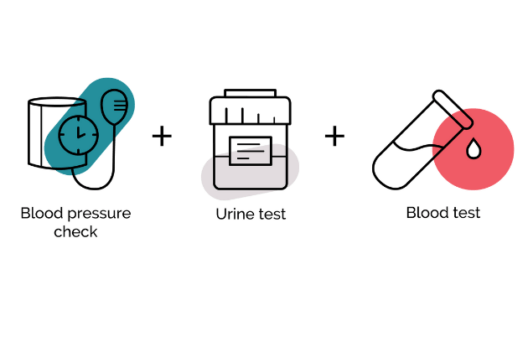
If you are at risk of kidney disease we recommend you go to your GP to do a Kidney Health Check. This includes a blood test, urine test, and blood pressure check.

I've been diagnosed with chronic kidney disease. What do I do now?

If you have just been recently diagnosed with kidney disease, you are not alone. It’s valuable to familiarise yourself with:

  • ways to keep your kidneys healthy, including special diets and recipes
  • treatment options to aid discussions with your healthcare professionals
  • services available to you, including Kidney Buddy Program and private Facebook groups for peer-support
  • Kidney Health 4 Life: your personal guide to living better with kidney disease

You may also wish to reach out to us for support by calling the Kidney Helpline, free call 1800 454 363.

Learn more about kidney disease

Newly diagnosed

Being diagnosed with chronic kidney disease can be overwhelming. It's important to know you're not alone & you can take steps to improve your diagnosis.

Symptoms of kidney disease

Detecting kidney disease is difficult. Symptoms are often rare. While there are no obvious signs, we share with you some indicators of reduced kidney function.

Types of kidney disease

There are 2 main types of kidney disease - short-term (acute kidney injury) and lifelong (chronic). Find out more about each and what they can mean for you.