
Comprehensive conservative care can be the preferred form of treatment for those who have kidney failure and:
- find kidney dialysis a burden and choose to stop
- may not be able to or choose not to have dialysis treatment
- wish to let life progress naturally
Comprehensive conservative care aims to keep you comfortable and provide you with a reasonable quality of life, while not artificially extending your life. During comprehensive conservative care, you will be supported by a team of health care professionals to help with medicines for symptom control, diet advice, and emotional support.
Commencing treatment for end-stage kidney disease can be an emotional time. The experience of dialysis can be overwhelming, too.
For these reasons, it’s worth discussing options with your healthcare team as soon as you can. This way, feelings and strong family opinions won’t cloud your judgement when the time to decide comes.
If you choose to opt-out of dialysis and explore comprehensive conservative care, that’s okay. There are several reasons why comprehensive conservative care may appeal to you:
- whether on a spiritual, cultural, or personal level, you believe the burden of dialysis outweighs the benefits
- you do not want the tests, procedures and appointments associated with ongoing dialysis treatment
- you are frail, elderly, or have other medical conditions – in which case dialysis is not guaranteed to improve your quality of life. You may live just as long with comprehensive conservative care as with dialysis treatment.
If you are already undergoing dialysis, you may choose to change over to comprehensive conservative care. No matter your reasons for not wanting dialysis, it is your right to choose.
While the decision is up to you, it can be helpful to involve family members, close friends, a social worker, a counsellor or spiritual adviser, and your doctor before making a decision.
‘Advance care planning’ is a process you will undertake with your healthcare team, family and loved ones. Together, you will develop a plan that formally documents your wishes regarding your end-of-life care.
It’s ideal to have this in place if you’re over 65 or have any other conditions that may impact your quality of life during kidney disease treatment. The process can involve:
- writing a Will
- having discussions about your wishes with your family and your doctor
- appointing a substitute decision maker
- telling people about your end-of-life preferences (how you would like to be cared for).
It is also advisable to involve local palliative care services, earlier rather than later, as they can help manage your symptoms and other end-of-life planning for you and your family. Some people access palliative care well before the end of life in order to reduce their symptoms.
For more information, we encourage you to browse the resources below.
Some health services offer an initiative called ‘Supportive care’ which aims to help you live as well as possible with kidney failure, no matter what treatment you choose. It is patient-centred and focused on reducing pain and suffering and improving your quality of life. Your healthcare team will be able to provide you with more information about support offered in your local area.
For more information, we encourage you to browse the resources listed below.

Comprehensive conservative care in kidney failure booklet
Purchase your very own hard copy of our booklet 'An introduction to comprehensive conservative care in kidney failure' handbook. This booklet is part of a series of handbooks an introduction to series. Visit the online shop to view the full range. It is also available for digital download from our resources library.

Living with kidney failure - 8th edition
'Living with Kidney Failure: Your extensive guide' is a practical guide for people diagnosed with kidney disease and is regarded as the basic bible of kidney information written in Australia, for Australians. Also available in digital format from our Resources Library.
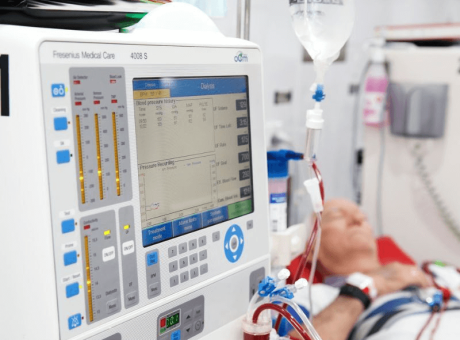
Dialysis: key facts
When you have kidney failure your body cannot get rid of extra water and waste products. Dialysis is the removal of the water and waste products.

Kidney Transplant
A transplant is a treatment for kidney failure. Find out what's involved, who can have one, and how to prepare.

Kidney Health 4 Life
Managing your kidney health can feel overwhelming — but you don’t have to do it alone. The Kidney Health 4 Life Hub is a free, easy-to-use digital program that gives you personalised guidance, practical tools and the support of a community who understands what you're going through.
Last updated: October 2025