
Dialysis is one of the options for managing kidney failure. Dialysis filters out toxins, wastes and extra fluid. It doesn’t replace your kidneys, nor does it return your kidney function to normal. However, it does help to improve your health and help people continue to live even after their kidneys have failed.
Starting dialysis, and being on it for a period of time, can be overwhelming and a major life adjustment. Being well prepared will make a big difference.
How does dialysis work?
Dialysis does the work that your failed kidneys can no longer do. Your blood is filtered by dialysis to:
- remove extra fluids
- filter wastes
- control the fluids in your body and help with blood pressure
How long will I need dialysis?
The length of your dialysis depends on your type of kidney disease. For acute kidney injury, dialysis sessions last a few days or a few weeks, until your kidneys can recover.
If you have chronic kidney disease that’s progressed to kidney failure, you’ll need dialysis for the rest of your life. You may come off dialysis if you are able to receive a kidney transplant. If you decide dialysis isn’t the right option for you, you may elect for comprehensive conservative care.
While you’re on dialysis, it’s an ongoing process, and it’s important that you don’t miss a session. This may mean that you have to make adjustments to your work and home life to fit in your dialysis sessions. Luckily, some types of dialysis can be done in the home which offers more flexibility for your work and family.
Patient experiences

Haemodialysis is usually done in a specialised centre. It’s done at least three times a week and lasts four to five hours. Some centres even offer overnight sessions. With the proper training and equipment, haemodialysis can also be done at home.
During haemodialysis, needles are used to access your blood through a type of vascular access. Your blood is taken through tubing from your body and taken through a special filter called a dialyser, which cleans the blood. The clean blood is then returned to your body. The extra water and waste products , that you don’t need travel from your blood through the dialyser and go down the drain.
Some centres offer specialised training to set up haemodialysis in the comfort of your own home. To learn more, check out our Introduction to Home Haemodialysis booklet.
Peritoneal dialysis can be incorporated well into most lifestyles, as treatments typically occur in the home and on your schedule.
During peritoneal dialysis, a tube (catheter) is placed in the stomach, to give access to your peritoneal membrane. The dialysis fluid is passed into your tummy via a bag or a machine. The peritoneal membrane then acts as a filter for your blood so extra fluid and wastes can be removed from your body when the fluid is drained out.
Peritoneal dialysis can be done either during the day or overnight. Daytime sessions are usually done three, four or five times within a 24-hour period. Each cycle or exchange takes 30 to 40 minutes, and you can continue to carry out normal activities between them. You may also choose to use an overnight machine, which automatically completed the exchanges as you sleep.
Choosing dialysis as a treatment for kidney failure can be life changing. It’s important to learn about your options so you can make the best choice for your lifestyle. Our “Introduction to…” booklet series features in depth information about the different kidney failure treatment options including peritoneal dialysis, haemodialysis, and home dialysis.
If you need help working out if dialysis is right for you, check out our My Kidneys My Choice decision aid.
Types of dialysis
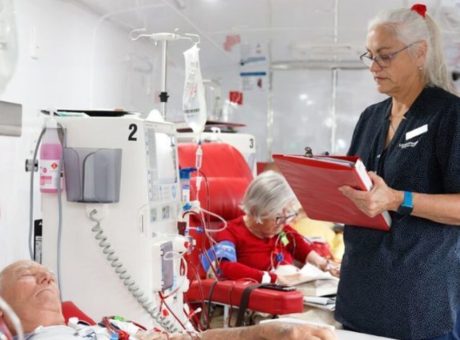
Centre-based haemodialysis
Centre-based haemodialysis usually takes place in a hospital or 'satellite' dialysis unit. It is more common to have haemodialysis in a dialysis unit than it is to undergo dialysis at home
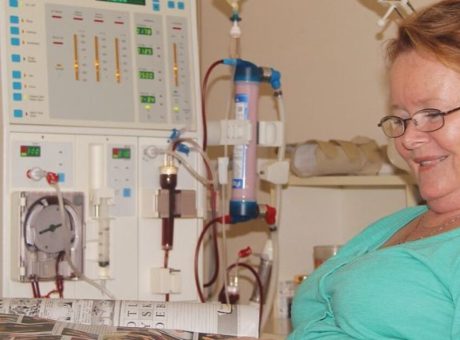
Home Haemodialysis
When it comes to dialysis treatment, it's important that you choose the method right for you. As dialysis can be such a time-consuming process, many people choose to do their haemodialysis at home. This can offer more flexibility in terms of when you do your dialysis and how many hours you do, particularly as doing additional hours is better for your health.
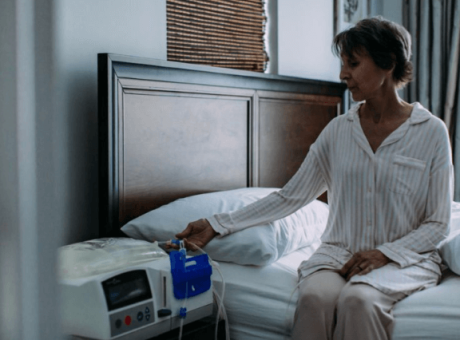
Peritoneal dialysis
Peritoneal dialysis is a treatment option for end stage kidney disease. After being trained by your healthcare team, you can undergo this method at home, providing you with additional comfort during your treatments.






Last updated: October 2025