
Although being diagnosed with chronic kidney disease can be overwhelming and scary, there are treatment options available that can help you improve your quality of life and kidney health. Because kidney disease is progressive and occurs in stages, you can take steps to slow down or halt the progression of the damage to your kidneys. With the right planning and support, you can still have a good quality of life.
There are five stages of kidney disease. Your treatment options will depend on what stage your kidney disease is at.
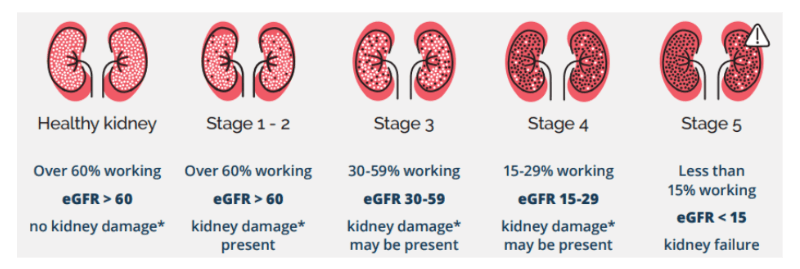
- Stage 1-3 kidney disease. During these early stages, most people feel normal. It’s important to talk to your doctor before you take any new medicines, even natural or herbal ones, as they may have an impact on your kidney health. Your doctor may prescribe medicines to treat high blood pressure and prevent kidney function decline at this stage.
- Stage 4-5 kidney disease. It’s more common for people to discover they have chronic kidney disease in these stages, as they often begin to feel unwell. They may also notice a change in how often they urinate (wee), and a raise in blood pressure. It’s common to start medicines at this stage, especially if you are having symptoms.
- Kidney failure (stage 5). Sometimes, even with management and treatment, kidney disease becomes kidney failure. People in this stage will need dialysis or an organ transplant. They can also opt to enter comprehensive conservative care.
CKD is called a progressive disease. This means that it often gets worse over time. Your doctor may prescribe you medicines, like blood pressure medicines, to help slow down the progression of CKD. If CKD is found early, positive lifestyle changes can improve kidney health. These tips can help your overall health:
- not smoking or vaping
- eating a healthy, well-balanced diet, and lowering salt
- being active
- managing diabetes, including your blood sugar levels if you have diabetes
- taking blood pressure and other medicines as prescribed
- drinking more water
- monitoring you blood pressure, including getting it checked regularly
- talking to your doctor about other medicines, and how they may be affecting your kidney health
- getting your kidneys regularly checked by your health practitioner
- learning about your kidneys and how they should function
- keeping vaccinations up to date as per the National Immunisation Program.
By stage 5, also called kidney failure, your kidneys can no longer function on their own and you will require treatment with kidney replacement therapy – dialysis or a kidney transplant will be required. Another treatment you may also choose to comprehensive conservative care. Your health practitioner will be able to explain these treatment options with you.
Going through dialysis or preparing for a kidney transplant can be overwhelming, and you may have questions. We’ve put together some resources to help provide support for both the patient and carer during this time
Treatment options
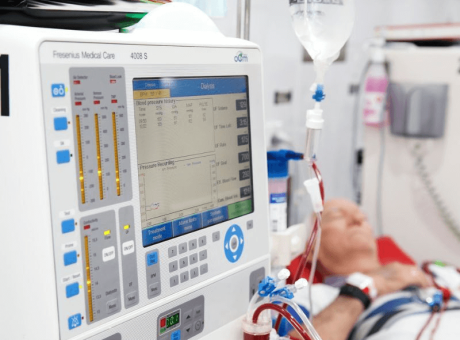
Types of Dialysis
When you have kidney failure your body cannot get rid of extra water and waste products. Dialysis is the removal of the water and waste products.

Kidney transplant
A transplant is a treatment for kidney failure. Find out what’s involved, who can have one, and how to prepare.

Comprehensive conservative care
Find out about comprehensive conservative care, it can be the preferred form of treatment for patients with kidney failure.

Medications & kidney disease
People with chronic kidney disease are often prescribed multiple medications. Understand the impact of medications plus which ones to avoid.

My Kidneys My Choice
When you have kidney failure, you are faced with making important decisions about treatment.

Patient resources
Our 'An Introduction to' series of booklets are available for download or purchase. These, A5 sized booklets provide detailed information about the various elements to kidney disease and treatment. From dialysis, transplantation and donation to comprehensive conservative care and symptom management.
Ready to take control of your kidney health?
Start with clear next steps and confidence using Kidney Health 4 Life, your personal guide to living well.

Last updated: October 2025