Diet and Nutrition

To achieve good kidney health, it's important to follow a healthy diet and maintain a healthy weight. This means eating a good variety of nutritious foods and watching your serving size.

Healthy eating with kidney disease

We recommend eating a diet rich in whole fresh seasonal foods, to help maintain good kidney health. This includes vegetables and wholegrains, and foods tailored to culture and spirituality. We recommend limiting ultra-processed foods and salt.

If you have chronic kidney disease, diet and nutrition play an even greater role in managing your disease progression. This is because your kidneys become less effective at removing unwanted fluid and managing the correct levels of nutrients, such as calcium, phosphate and potassium. Planning a balanced and healthy diet becomes crucial. 

 

What’s in your food and why does it matter?

Salt

Salt (sodium) is found in highly processed foods, fast foods, and take away. It can also be found in certain vegetables, breads, pastas, and cheeses. Too much salt in our diet can damage our kidneys, making them less effective at filtering our blood. This can cause fluid to build up in the body, leading to: 

  • high blood pressure 
  • swollen ankles, feet and hands 
  • shortness of breath. 


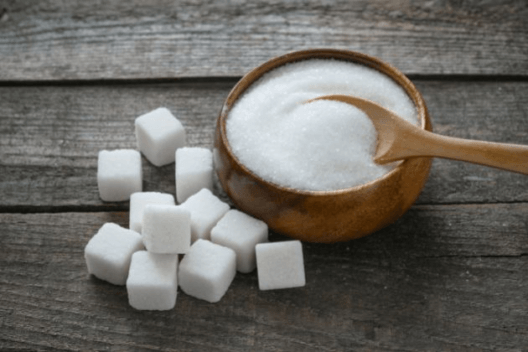
Sugar

Eating sugary foods and large portions of white refined carbohydrates can lead to weight gain and increase your risk of developing diabetes. If you are living with diabetes, then managing your blood glucose (sugar) levels, and trying to keep these within a recommended range is one of the best things you can do to protect your future kidney health.


Potassium

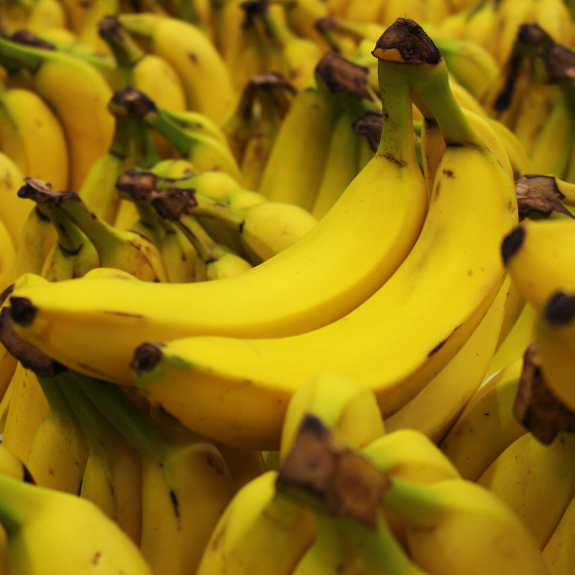
Many foods that play an important role in a healthy diet contain potassium. Potassium helps your nerves, heart, and muscles to work properly. In kidney disease, your potassium can be high if your kidneys are not filtering as well or if you are on certain blood pressure medicines.  

Some people may need to follow a low potassium diet. This is more common for haemodialysis than peritoneal dialysis and may also change over time. A low potassium diet focuses on reducing the amount and how often we eat certain foods, instead of cutting them out completely. 

 A good place to start is reducing the amount of ultra-processed foods, takeaways, and junk foods that you eat which often contain potassium-based additives. High blood potassium levels can trigger dangerous changes in our heart rhythm if left unchanged. 

Note that not everyone living with kidney disease needs to follow a low potassium diet. Some people may even be advised to increase the amount of high potassium food they eat.  We recommend speaking with your health care team before changing your diet.  

Calcium and phosphate

If you have kidney disease, it is very important that your calcium and phosphate balance is checked and managed correctly. Calcium and phosphate are important minerals for your bones and teeth. Calcium also helps your heart to beat, your blood clot, and your muscles move. Your healthcare team will request regular blood tests to check your calcium and phosphate levels. 

People having dialysis treatment may need to make changes to the types of food and drinks they regularly enjoy to keep phosphate levels within range.  Your doctor can prescribe you certain medicines, called phosphate binders, to take with your meals and snacks. These help to lower your phosphate levels if they are too high.  

Fluids

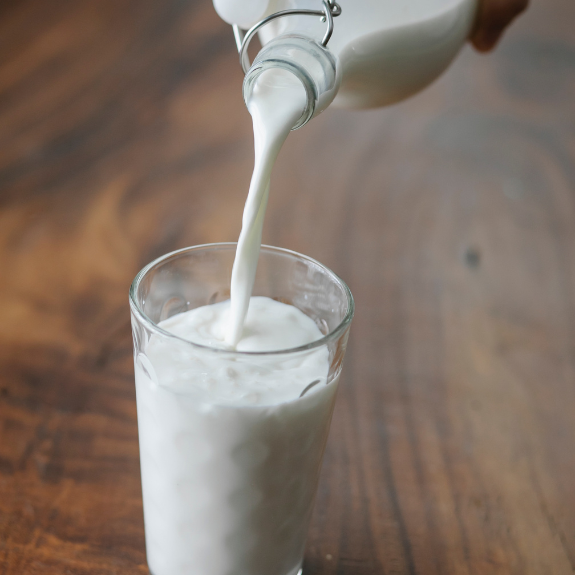
‘Fluids’ refers to any drinks or foods that are liquid when they’re at room temperature – that includes ice cream, yoghurt, and ice cubes. Fluid is also contained in foods like soups, stews and gravy. 

Generally, you should drink when you feel thirsty. Your urine should be a clear, pale-yellow colour – this is a sign of good hydration. Drink water instead of sugary drinks like soft drink, juices, and cordial.  

 Some people with kidney failure on dialysis may need to limit their fluid intake. Usually, people who are on peritoneal dialysis or more frequent home haemodialysis that can enjoy more freedom with their fluids, but this can also change over time. 

An Accredited Practising Dietitian or your healthcare team can help you manage your fluid intake, including advice on how much you should drink each day. 

Managing your diet

There is no single ‘kidney friendly diet.’ Unless you have been advised to follow a specific diet, follow these general rules for healthy eating with kidney disease: 

  • aim for 2 serves of fruit and 5 serves of vegetables per day 
  • reduce the amount of ‘ultra-processed foods’  
  • watch your salt, aiming for less than 5 grams of salt per day 
  • choose wholefoods and high fibre versions of breads, cereals, rice, and pasta 
  • make water your drink of choice. 

Getting a well-rounded balance of nutrients from the food you eat is important at any stage of your journey. If you are on dialysis, living with a transplant, (or struggling to eat enough) then you may have to pay closer attention to the food you eat. Eating a wide range of fruits and vegetables, wholegrains, lean meats and fish, and nuts and seeds is the best way to support your health. 

When living with chronic kidney disease, managing what you eat and drink can be a challenge; however, your diet can also positively influence how you feel, and what other treatments you might need.

It is important to recognise that as kidney disease progresses your dietary needs will more than likely change. It is also important to recognise that every person with kidney disease is different and has different food preferences and dietary needs.

An Accredited Practising Dietitian with specialised training in kidney disease diets can help people living with kidney disease. They provide support around nutrition, and which foods can help to keep you well during your kidney journey. Your doctor or nephrologist may make a referral to a renal dietitian. Dietitians Australia can provide names and contact details of local renal dietitians. Call 1800 812 942 or visit dietitiansaustralia.org.au and then ask your doctor to arrange a referral to your preferred dietitian.

Recipes and meals

Looking for more kidney friendly recipes and meals? Check out our range of recipe books and guides here.

Kidney Health 4 Life

Knowing what to eat with kidney disease can be confusing and frustrating. The Kidney Health 4 Life Program gives you clear, expert-backed support to make confident food choices—without the stress.

🥦 Simple, kidney-friendly recipes
📋 Meal planning tips that suit your stage of kidney disease
🧂 Guidance on managing sodium, potassium, protein & fluids
🛒 Ingredient advice and food swaps
🎯 Goal setting and motivation tools

Get tailored advice and practical tools—all in one easy place.

Special Thanks! This educational website update is supported by a sponsorship provided by Boehringer Ingelheim. 

Last updated: December 2025