
Last updated: October 2025
UTIs - what you need to know
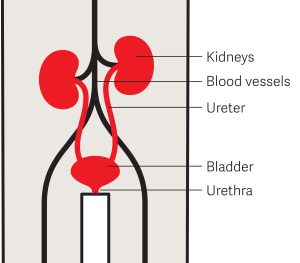
UTIs are very common. They are caused by germs entering and multiplying in the urinary tract. The most common germ is E.coli, a bacteria that can travel from your anus (where you poo) to your urethra (where wee comes out). Other germs such as mycoplasma or chlamydia can also cause infections and are usually passed on during sexual activity.
UTIs are given different names depending on where the infection occurs:
- Urethritis – if the infection is in the urethra
- Cystitis – if the infection is in the bladder
- Pyelonephritis – if the infection is in the kidneys
- Vaginitis – if the infection is in the vagina.
Common symptoms of a UTI include:
- a burning feeling when passing urine (wee)
- wanting to urinate more often, if only to pass a few drops
- feeling that the bladder is still full after urinating
- cloudy, bloody or very smelly urine
- pain in the lower abdomen or groin
Signs of urinary tract infections in children can also include:
- low fever
- mood changes like anger or feeling irritable
- day or night wetting in a child who has been toilet trained
- feeding problems in babies
If the infection moves to the kidneys, there may also be high fever, chills, back pain, lower abdominal (loin) pain, and vomiting. If you or your child experiences any of these symptoms, seek medical attention as soon you can.
To diagnose a UTI, a doctor can perform a simple urine test. A urine sample may be sent to a laboratory to identify the specific cause of the infection. Your doctor may adjust your antibiotic medicines depending on which bacteria is causing your infection.
If you think you have a UTI, particularly a bladder or kidney infection, it is important to see your doctor as early treatment can prevent more serious infections.
To prevent UTIs, it’s recommended you drink lots of fluid, particularly water, to wash bacteria from the bladder and urinary tract.
In addition, women can lower their risk of contracting a UTI by:
- quickly treating other vaginal infections like a yeast infection
- avoiding spermicidal birth control products
- avoiding constipation.
Some women have found the following tips helpful:
- urinate right after sexual activity
- do not delay going to the toilet when you need to
- wipe from front to back after urinating
- wear cotton underwear
- wash between your legs every day using only water.
Some people are at greater risk of developing urinary tract infections. These include:
- Female at birth – Nearly one in three females will have a urinary tract infection needing treatment before the age of 24.
- Males with prostate problems – An enlarged prostate gland can cause the bladder to only partially empty, raising the risk of infection.
- Older people – Some medicines and problems with incontinence (loss of bladder control) put older people in a higher risk group.
- People with urinary catheters – A catheter, or tube used to empty the bladder, can be a source of infection in people who are critically ill and others who can’t empty their own bladder.
- People with diabetes – Changes to the immune system make a person with diabetes more vulnerable to infection.
- Babies – In particular, infants born with physical problems (congenital abnormalities) of the urinary system are at greater risk.